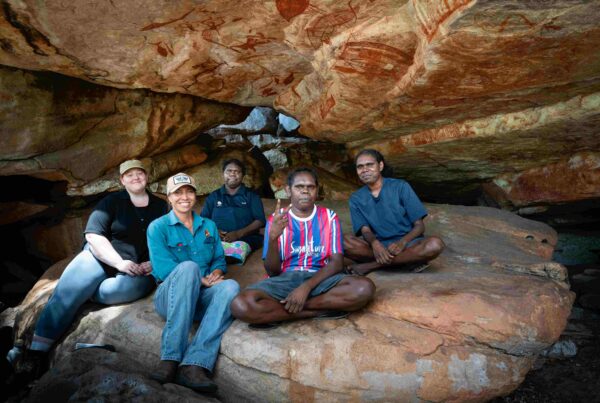
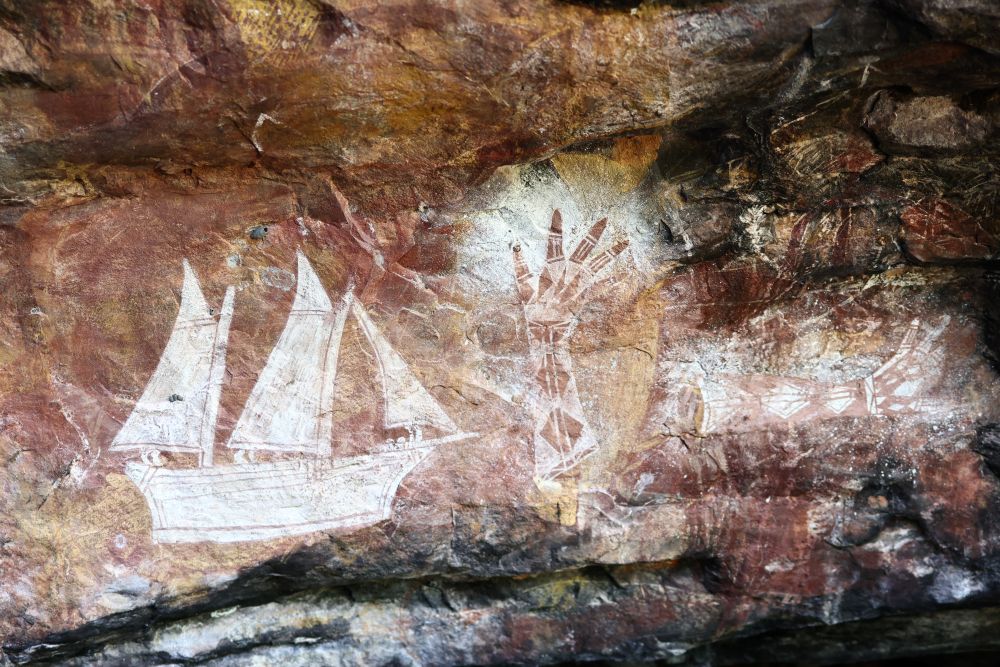
Rock Art from Indjangdjawurr, Red Lily Lagoon area, Arnhem Land
Welcome
It is a great pleasure to share my first update as CEO of Rock Art Australia. Below you can read about some of the projects currently being funded by RAA and delivered by outstanding teams across Australia and internationally. Scroll down to read about the Groote Archipelago Songlines Archaeology Project, GunaiKurnai Archaeology Along the Snowy, the work of a joint team of Indonesian and Australian archaeologists on Early Rock Art in Indonesia, and more.
Our work is made possible by the knowledge, expertise and generosity of many people, all contributing to the unique and vital role that we play to support research into and the stewardship of our extraordinary cultural heritage.
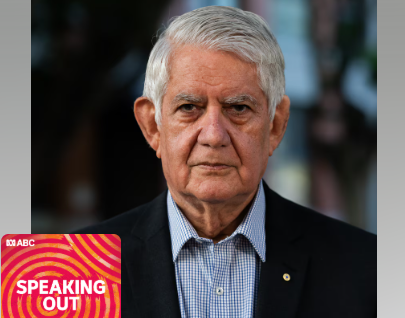
In my first weeks in the role, I have had the privilege of taking part in discussions that have deepened my appreciation of the dedication of all those involved in RAA. This includes our committed Board of Directors led by Chair, the Hon Ken Wyatt AM JP, as well as RAA’s Science Advisory Council comprising scientists from a range of disciplines who ensure that the research we fund and the partnerships we build meet the highest standards.
I have begun talking with many of our valued external stakeholders, including project partners and supporters to understand their perspectives, ambitions and ongoing commitment to RAA’s work. I look forward to continuing these talks and warmly invite you to contact me to share your insights and thoughts. And I hope to meet many of you at one of our public lectures that will be held around Australia during the year.
With a clear strategic plan, major projects underway, and Chair and Fellowship positions established across our leading university partners, I am excited about the work taking place and still to come, building on the knowledge and understanding already gained through past research.

Fiona Menzies, CEO
RAA Funded Research Projects
Groote Archipelago Songlines Archaeology Project
Congratulations to Dr Anna Florin, Stevie Skitmore and Jalen Green (Australian National University) and the Anindilyakwa Land Council on their successful Rock Art Australia grant to bring Groote Eylandt’s songline stories to life.
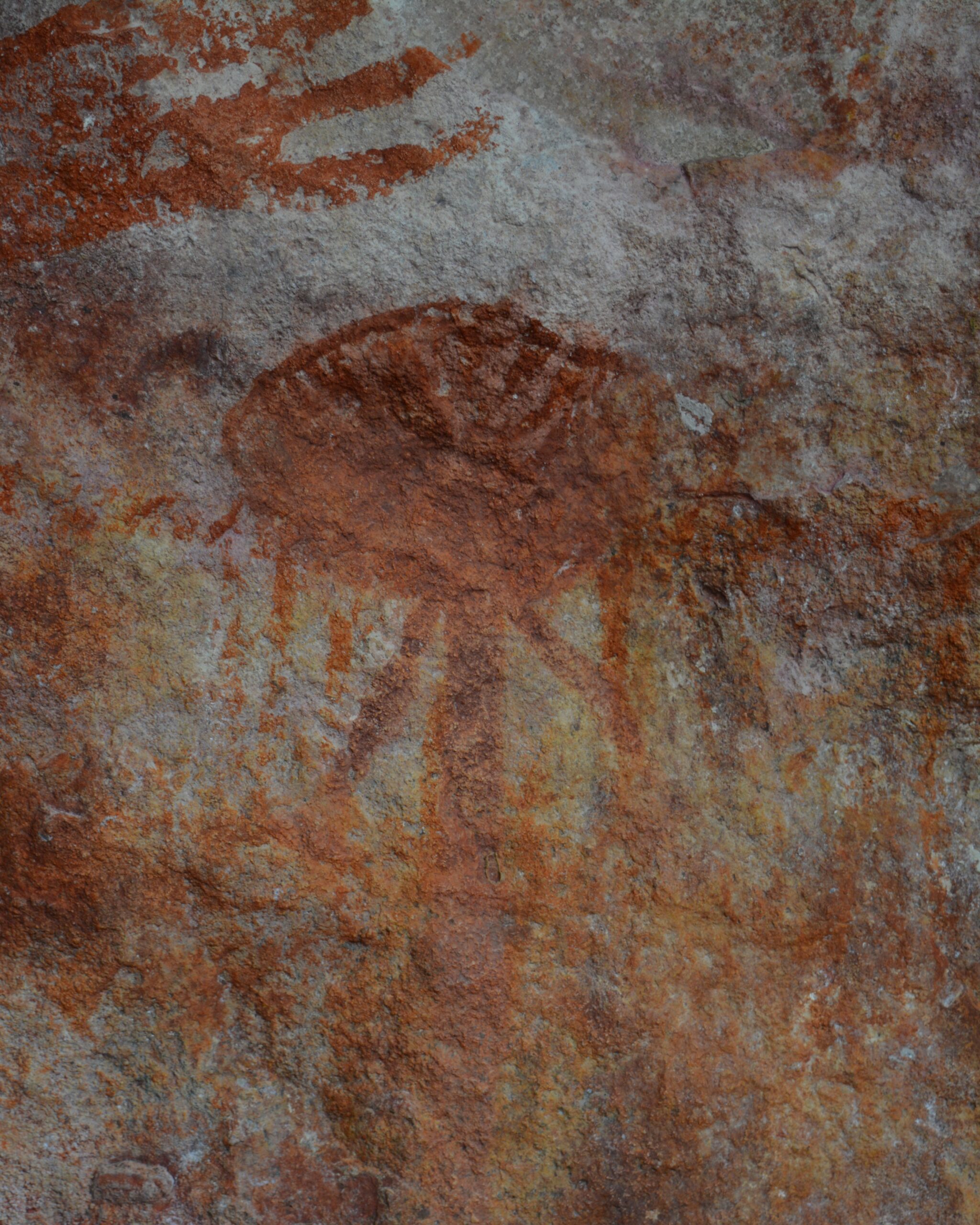
Stingray motif, central plateau, Groote Eylandt. Image credit: Yantarrnga clan estate, photo by Stevie Skitmore
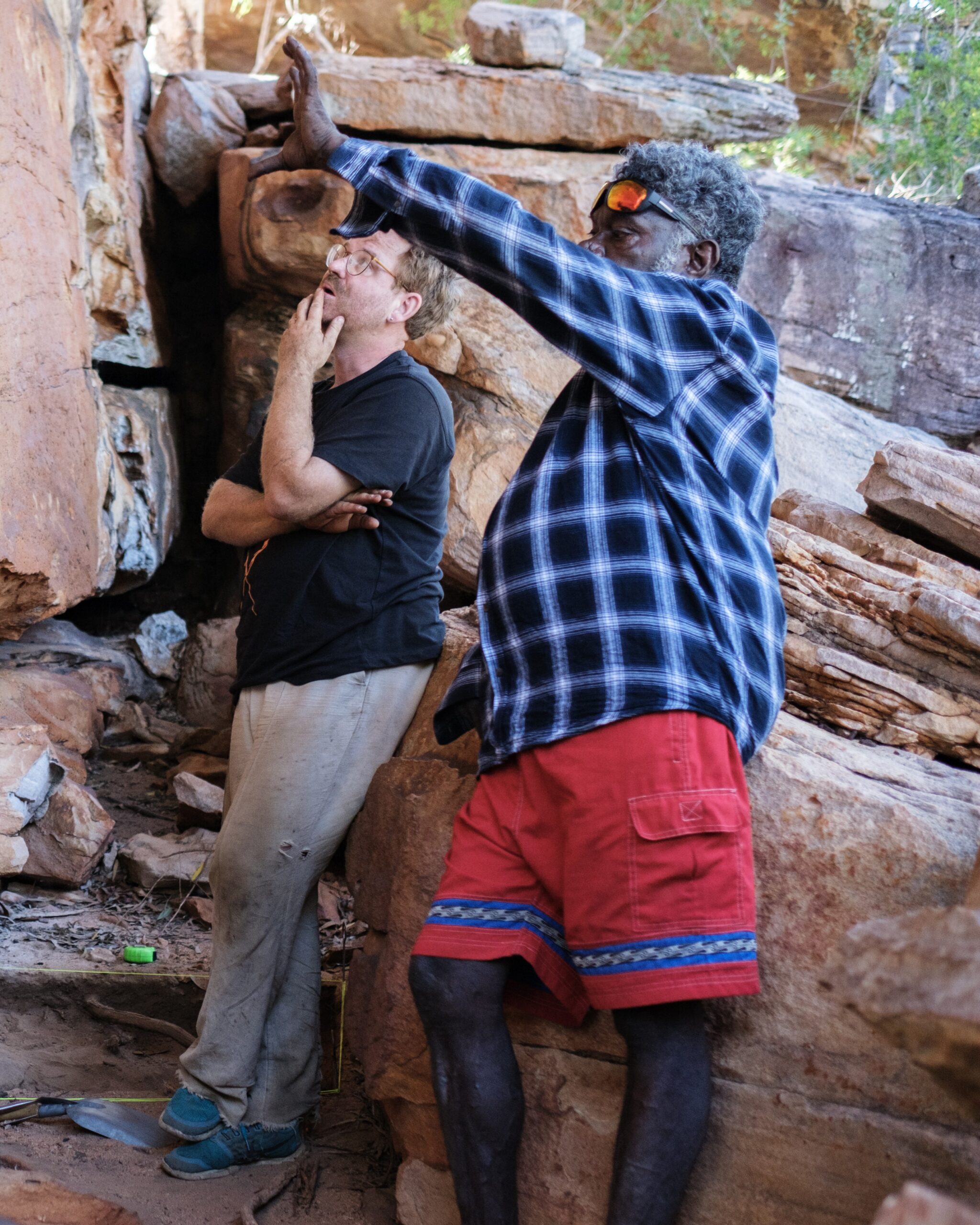
Terrence Mamarika points out a stingray motif to archaeologist Stevie Skitmore at a rock shelter in Angwura valley, central Groote Eylandt. Image credit: Yantarrnga clan estate, photo by Stevie Skitmore
The Groote Archipelago Songlines Archaeology Project is working to document the Yinuma songline, a network of stories, song, and kinship connections linking the East Arnhem mainland, Groote Eylandt’s stone country, and Angurrkwurrikba Lake on the east coast.
Bringing together Anindilyakwa clan researchers, the Anindilyakwa Land Council, and archaeologists, the project combines community knowledge with archaeological methods to better understand how these stories are represented across the landscape, including in rock art.
For Traditional Owners, the focus is on strengthening the transmission of cultural knowledge across generations and reconnecting with places and histories impacted by past disruption, while also supporting land management and future economic opportunities. Initial stages have involved mapping places, recording stories, and undertaking pilot surveys that have already identified more than 130 rock art sites.
The next phase, supported by Rock Art Australia, will expand this work across the full songline route, using targeted surveys, small-scale excavations, and environmental analysis to build a clearer picture of how people lived, moved, and expressed cultural knowledge across this region, over time.
Before and After the Last Ice Age: GunaiKurnai Archaeology along the Snowy
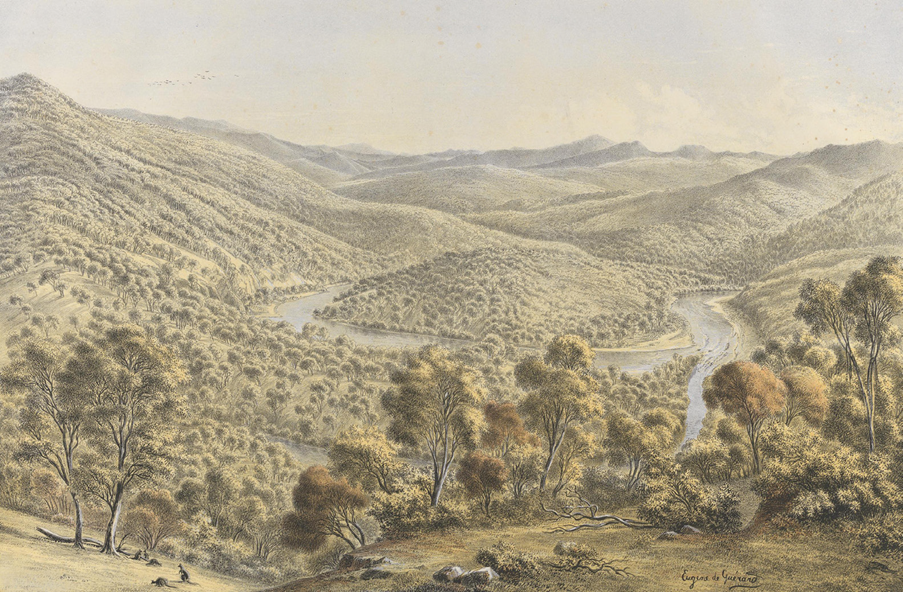
Eugene von Guérard, Junction of the Buchan and Snowy rivers, Gippsland, Victoria (1867), colour lithograph. One Tree Hill 1 is located at the top of the mountain at the far left of this scene. Balley Hooley 1 is the extending river flat at the very junction of the two rivers at right mid-scene.
Over the past year, the ARC Linkage Project Before and After the Last Ice Age: GunaiKurnai archaeology along the Snowy River has brought together GunaiKurnai Land and Waters Aboriginal Corporation (led by Russell Mullett) and Monash University (led by Bruno David), alongside an international team of researchers, to investigate key sites in East Gippsland.
Excavations at Waribruk, Balley Hooley, and One Tree Hill are uncovering rich evidence of human occupation and cultural heritage stretching back tens of thousands of years, and are helping to build a deeper understanding of Gunai Kurnai Country.
At the heart of this work is a new generation of researchers. GunaiKurnai Honours student Kealey Ratzmann and PhD students Dylan Jenkin, Georgia Carra, and Hugh Cowie are contributing fresh perspectives, working across archaeology, historical records, and cultural knowledge.
Their research highlights the value of two-way, on-Country collaboration, where Indigenous knowledges and scientific approaches come together to create new ways of seeing the past and understanding the enduring connections between people and place.
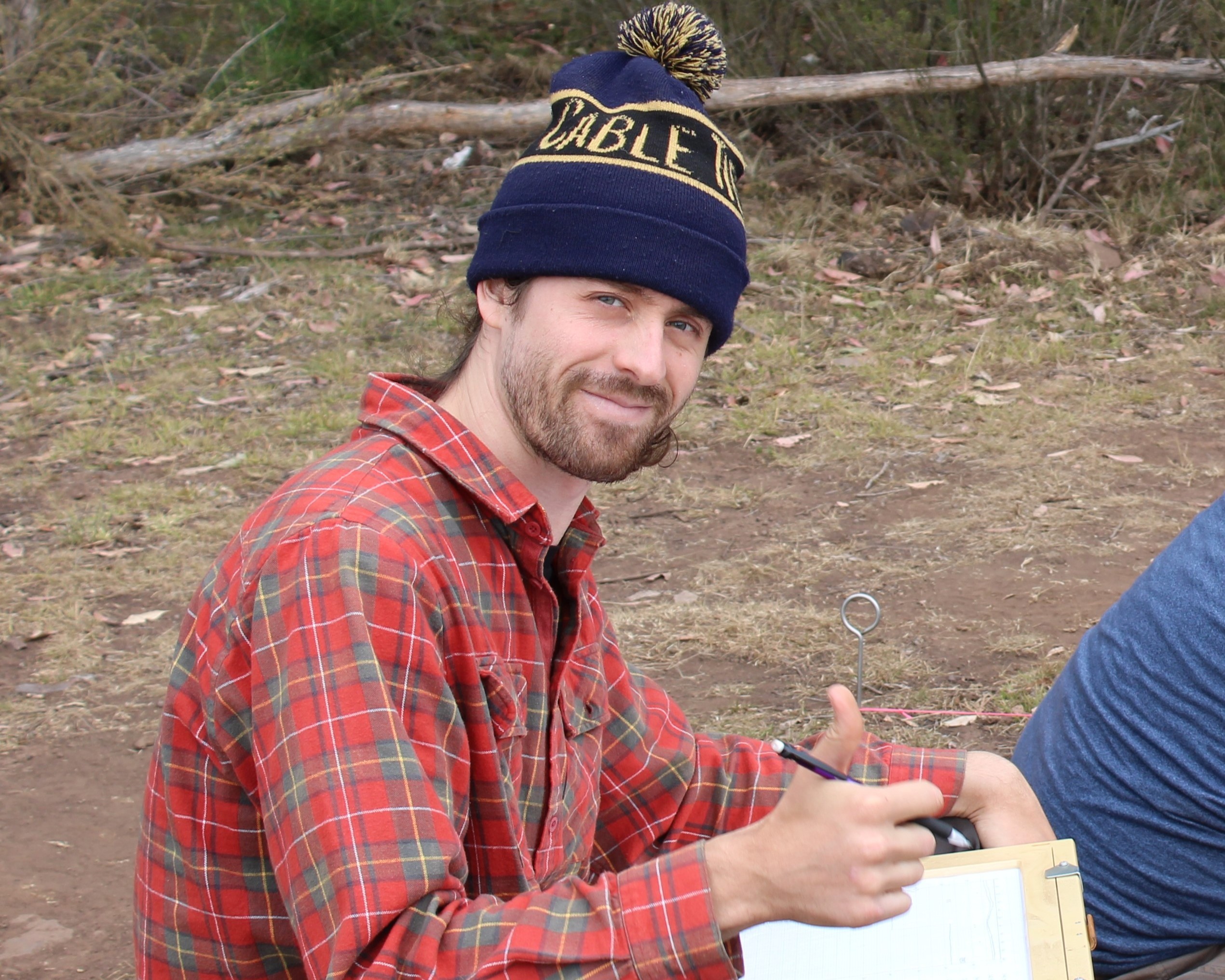
Hugh Cowie at One Tree Hill site 1
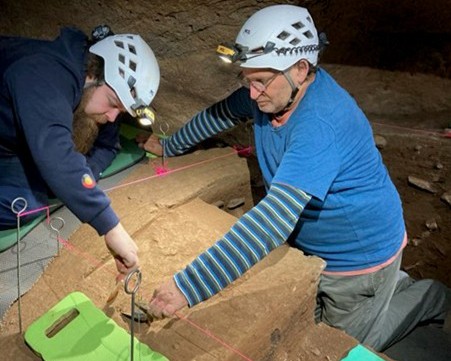
GunaiKurnai Honours student Kealey Ratzmann and Bruno David excavating at Waribruk, October 2025
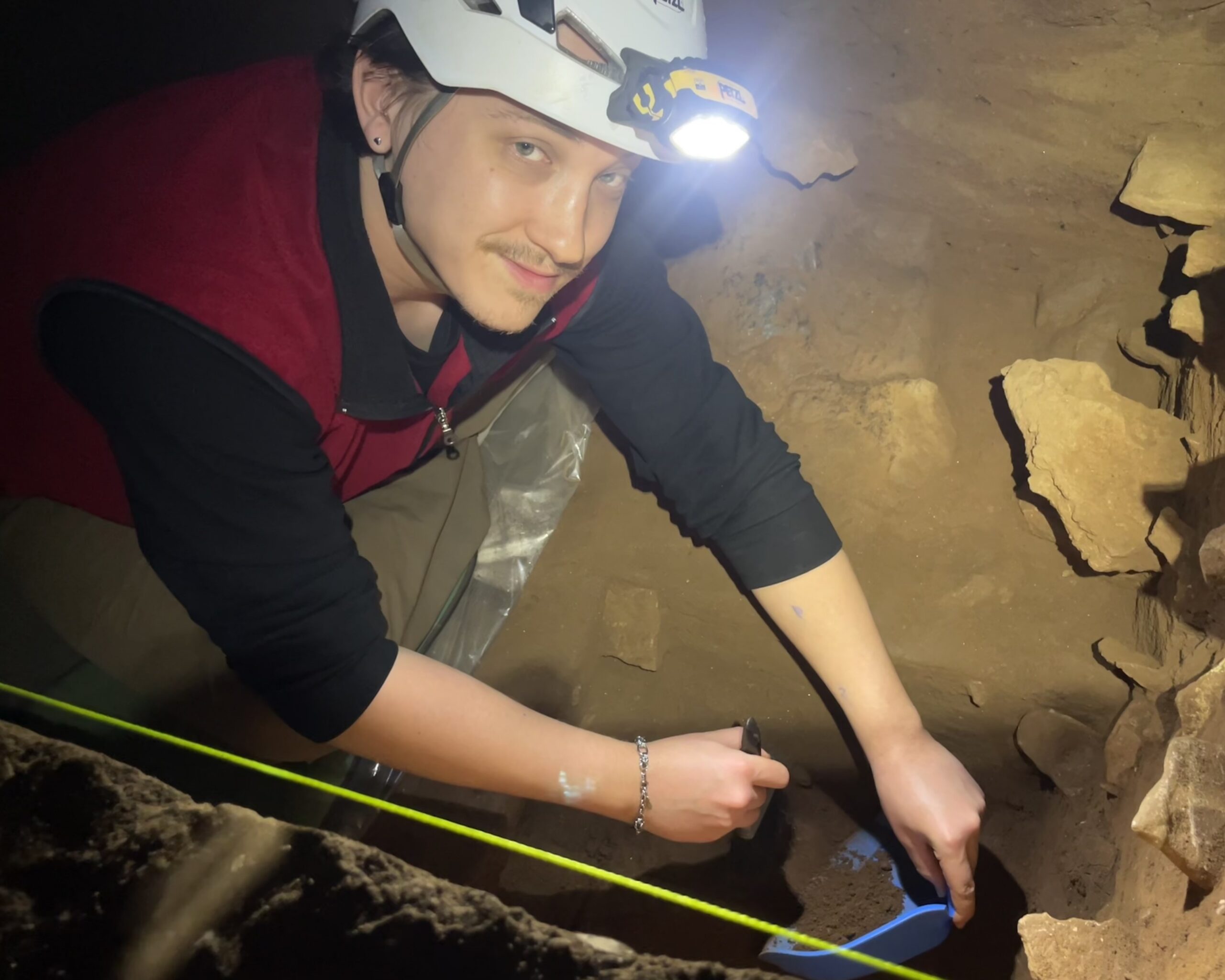
Dylan Jenkin at Waribruk
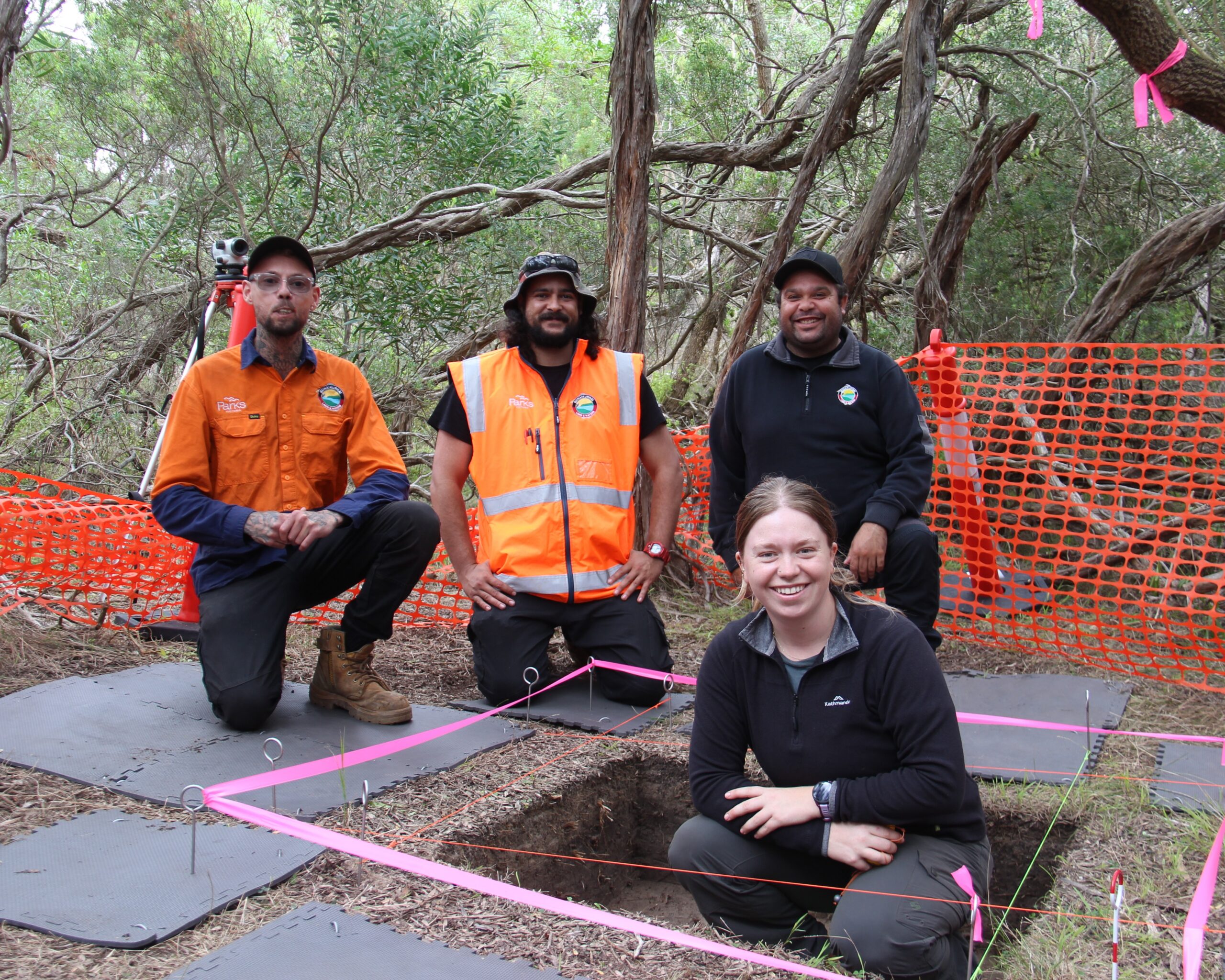
Mick Welsh Dalton, Kobi Hood, Anthony Mobourne (GLaWAC On Country Rangers) with Georgia Carra excavating in GunaiKurnai Country
Into the Jungle: Exploring Early Rock Art in Indonesia
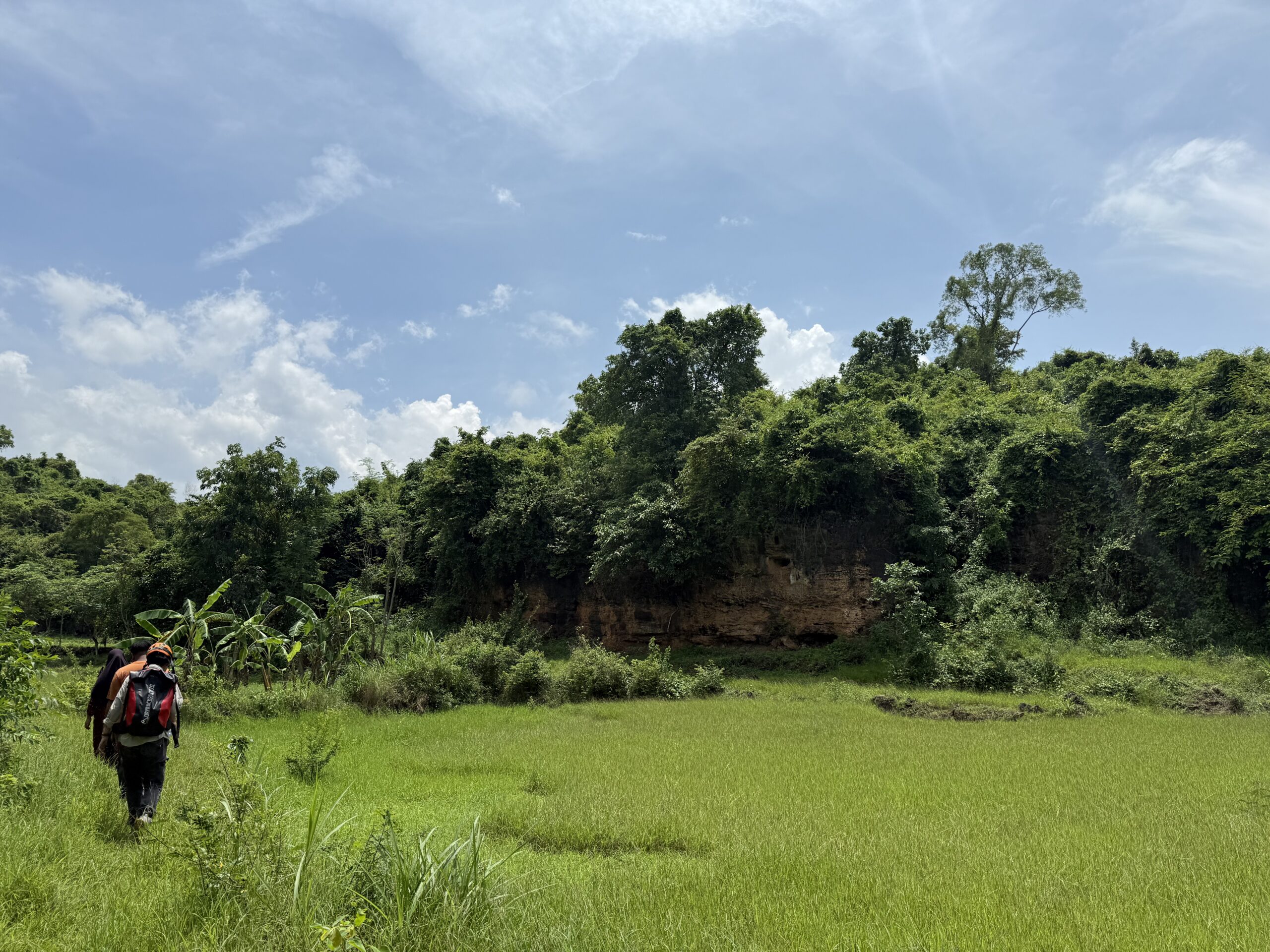
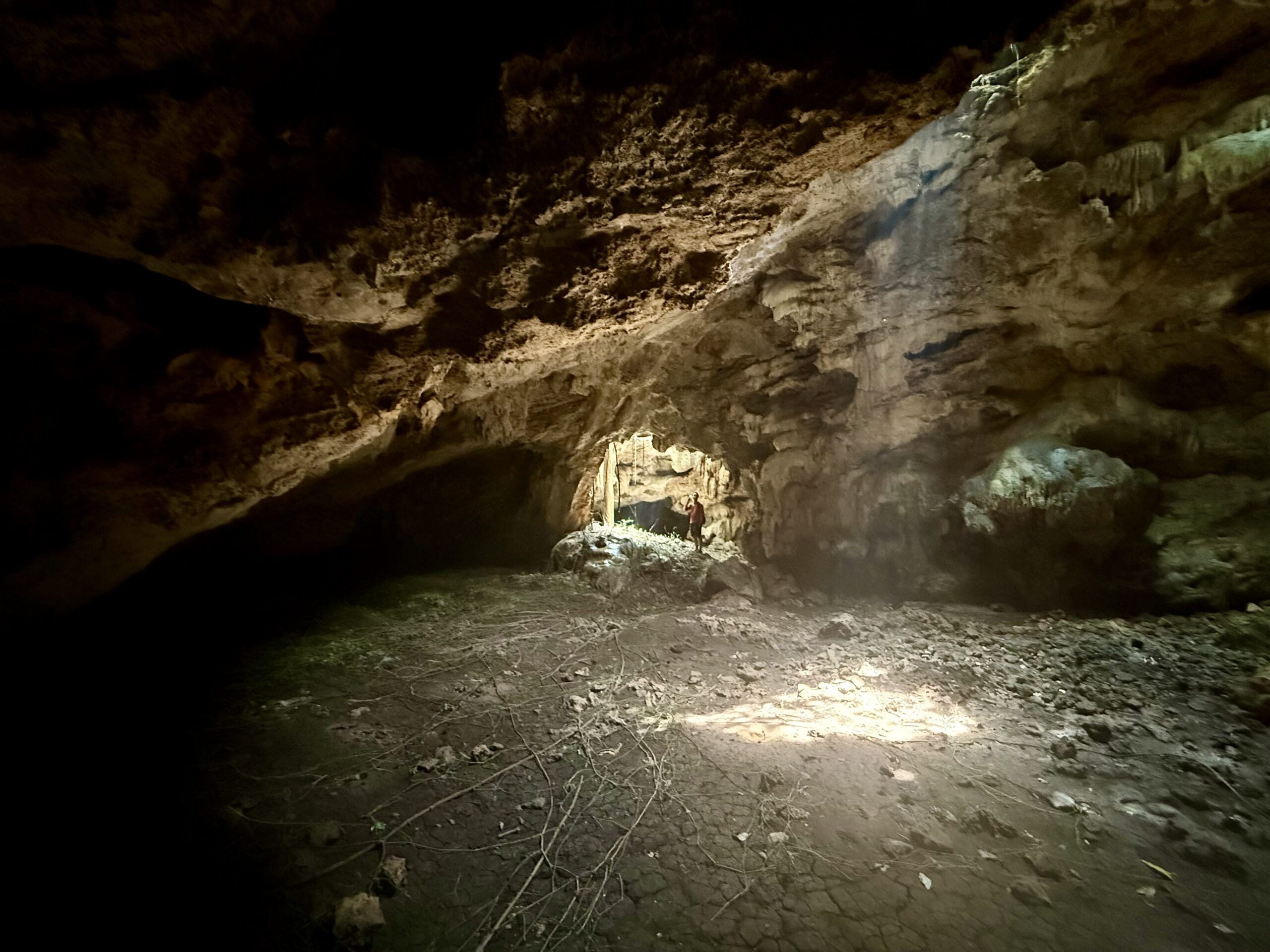
Deep in the limestone mountains of Java, a joint team of Australian and Indonesian archaeologists, including Chief Investigator Dr Kasih Norman, has been undertaking a survey that blends scientific research with real exploration.
Supported by a Rock Art Australia Strategic Grant, the team travelled on foot through dense jungle, crossed rivers, and climbed steep karst towers in tropical heat and humidity to locate hidden caves that may preserve traces of some of the island’s earliest inhabitants.
These caves are more than shelters; they are galleries of deep human history. Indonesia now preserves the oldest known rock art in the world, placing the region at the centre of global rock art research. Uranium-series dating shows that hand stencils and figurative images in Sulawesi and Borneo are more than 40,000 years old, while a painted narrative scene in Sulawesi has been dated to at least 51,200 years, representing the earliest known example of visual storytelling. Even older evidence has now emerged from Indonesia, with a hand stencil dated to at least 67,800 years, making it the oldest dated rock art currently known anywhere on Earth.
Together, these discoveries confirm Island Southeast Asia as a primary centre of early symbolic expression and artistic innovation. At the same time, the limestone karst landscapes that protect these irreplaceable records are being rapidly quarried for cement and affected by land clearing and development.
The urgency is clear: rock art must be located, recorded, and protected before it is lost forever.
Fieldwork will continue mid-year in South Kalimantan (Indonesian Borneo), where vast karst landscapes contain some of the most remarkable rock art assemblages yet documented. The upcoming survey will extend our knowledge of rock art in southern Borneo, helping build a clearer picture of early symbolic traditions while ensuring the fragile cultural heritage is recorded and protected for the future.
Read more about Human Responses to Post-Glacial Sea-Level Rise in Island Southeast Asia.
From the Rock Art Australia Chair in Rock Art & Archaeology, Griffith University, Professor Chris Clarkson
From Australia to India: International Engagements Transforming Human Origins Research
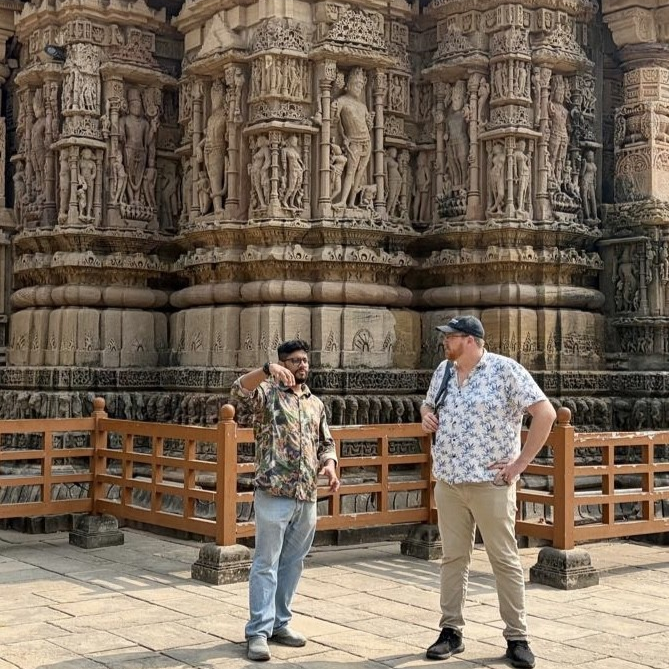
Chris Clarkson (right) with Mr Varun Vyas Associate Researcher – Max Planck Institute for the Science of Human History at the Sun Temple of Modhera in Gujarat.
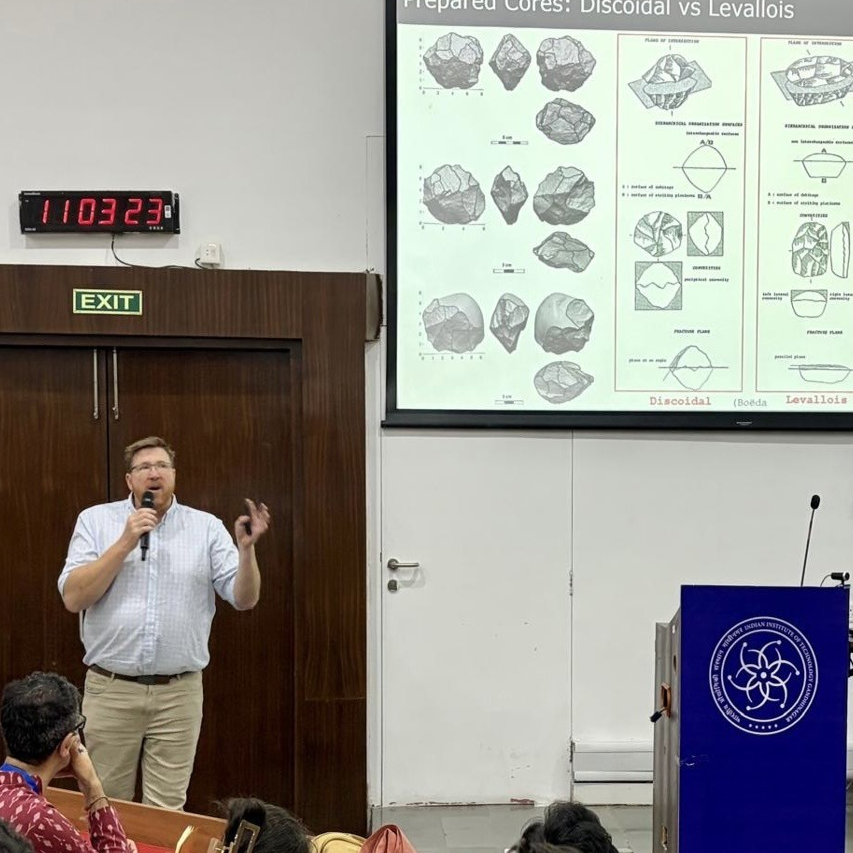
Presenting at the international symposium “Rethinking Deep Time: Debating Transitions, Origins, and Identities in South Asian Palaeolithic Archaeology”
In January this year, Professor Chris Clarkson, Rock Art Australia Chair in Rock Art & Archaeology at Griffith University’s ARC Centre of Excellence for Transforming Human Origins Research, travelled to Gujarat in western India to take part in the international symposium “Rethinking Deep Time: Debating Transitions, Origins, and Identities in South Asian Palaeolithic Archaeology.” Bringing together leading researchers from across the world, the symposium explored big questions about early human history, technology, and movement.
Professor Clarkson presented new collaborative research examining links between African and Indian stone tool technologies, offering fresh insights into how early innovations may have spread as Homo sapiens moved across regions and towards Australia more than 65,000 years ago.
From the Rock Art Australia Minderoo Chair in Archaeological Science, Professor Rachael Popelka-Filcoff
Provenance and Protection of Australian Cultural Heritage
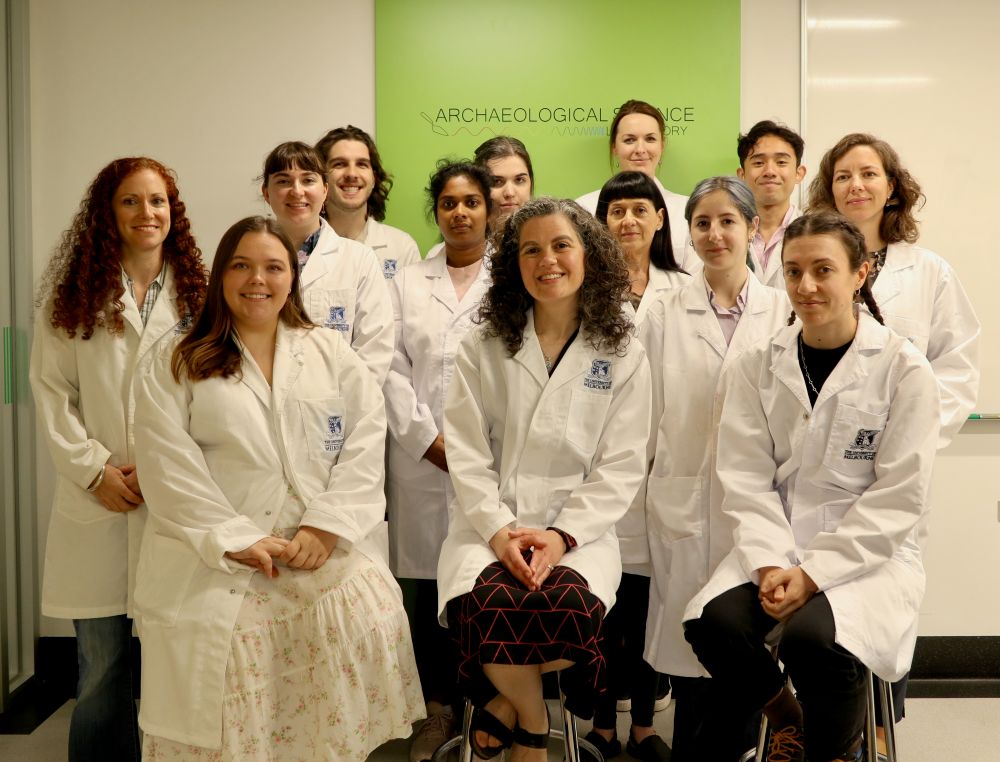
We wish to congratulate Professor Rachel Popelka-Filcoff and her team at the Archaeological Science Laboratory at the University of Melbourne (pictured above) on the acceptance of the proposal, Provenance and Protection of Australian Cultural Heritage, into the International Atomic Energy Agency’s (IAEA) Atoms and Heritage framework.
Accepted in December 2025, the proposal focuses on analytical approaches to support reconnecting cultural heritage and contributes to the international Work Project “Preservation and Protection of Cultural Heritage through Synergistic Authentication and Provenance”. The five-year scheme brings together leaders in cultural heritage analysis and archaeological science in Australia and worldwide, to work together to develop large scale projects in provenance and repatriation supported by national facilities.
New Appointment
Associate Professor Ursula Frederick joins as Rock Art Australia’s Newest Fellow
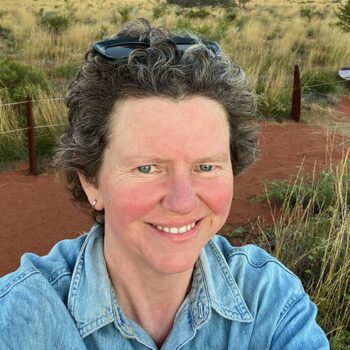
Rock Art Australia is delighted to announce the appointment of Associate Professor Ursula Frederick as our newest funded Fellow.
The Fellowship has been established at the University of Western Australia’s School of Social Sciences, where she joins Dr Sam Harper, who was appointed a Rock Art Australia Fellow last year, forming a strong team at UWA. Dr Frederick will take up the role of Level D Principal Kimberley Research Fellow from 2026 to 2030, bringing her expertise and vision to advance rock art research and protection.
New Publication
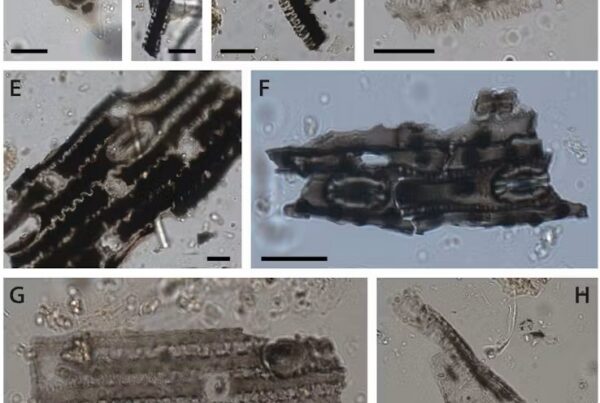
Variability in the southern margin of the Indo-Australian Summer Monsoon since 46ka
The Environmental Archives team has brought new insights to light from a floodplain core at Birrindudu Station in the southeast Kimberley, opening a window into the region’s distant past.
Following the story of changing rainfall over time, the study connects local changes to a bigger global picture, helping us better understand how monsoon systems have shifted across Earth’s long history.
Variability in the southern margin of the Indo Australian Summer Monsoon since 46 ka, is published in Palaeogeography, Palaeoclimatology, Palaeoecology (2026). Available to read on ScienceDirect.
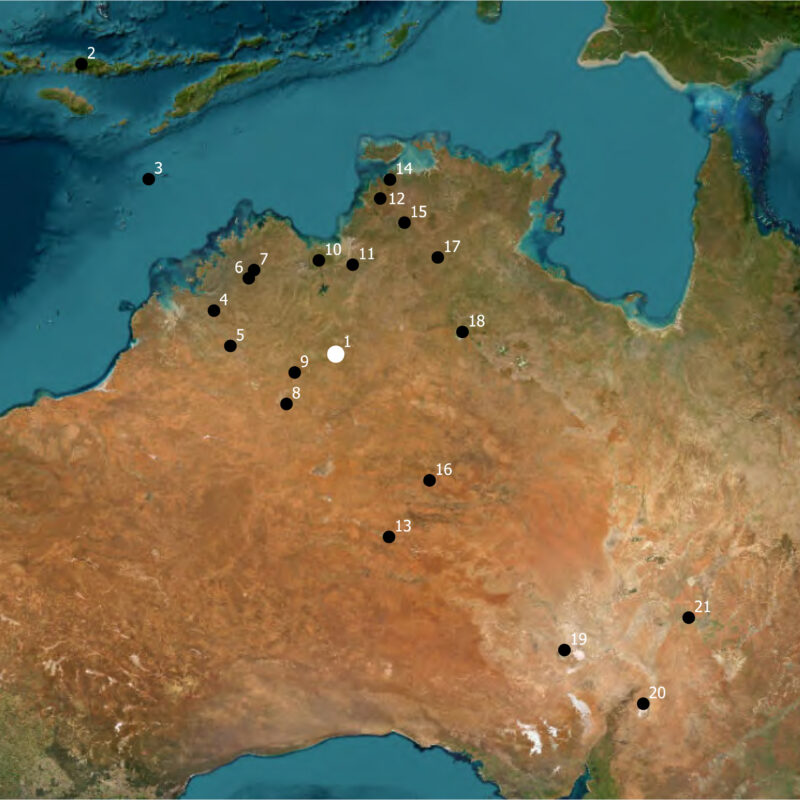
Location of Birrindudu, marked in white
Rock Art Australia Events
Upcoming Events
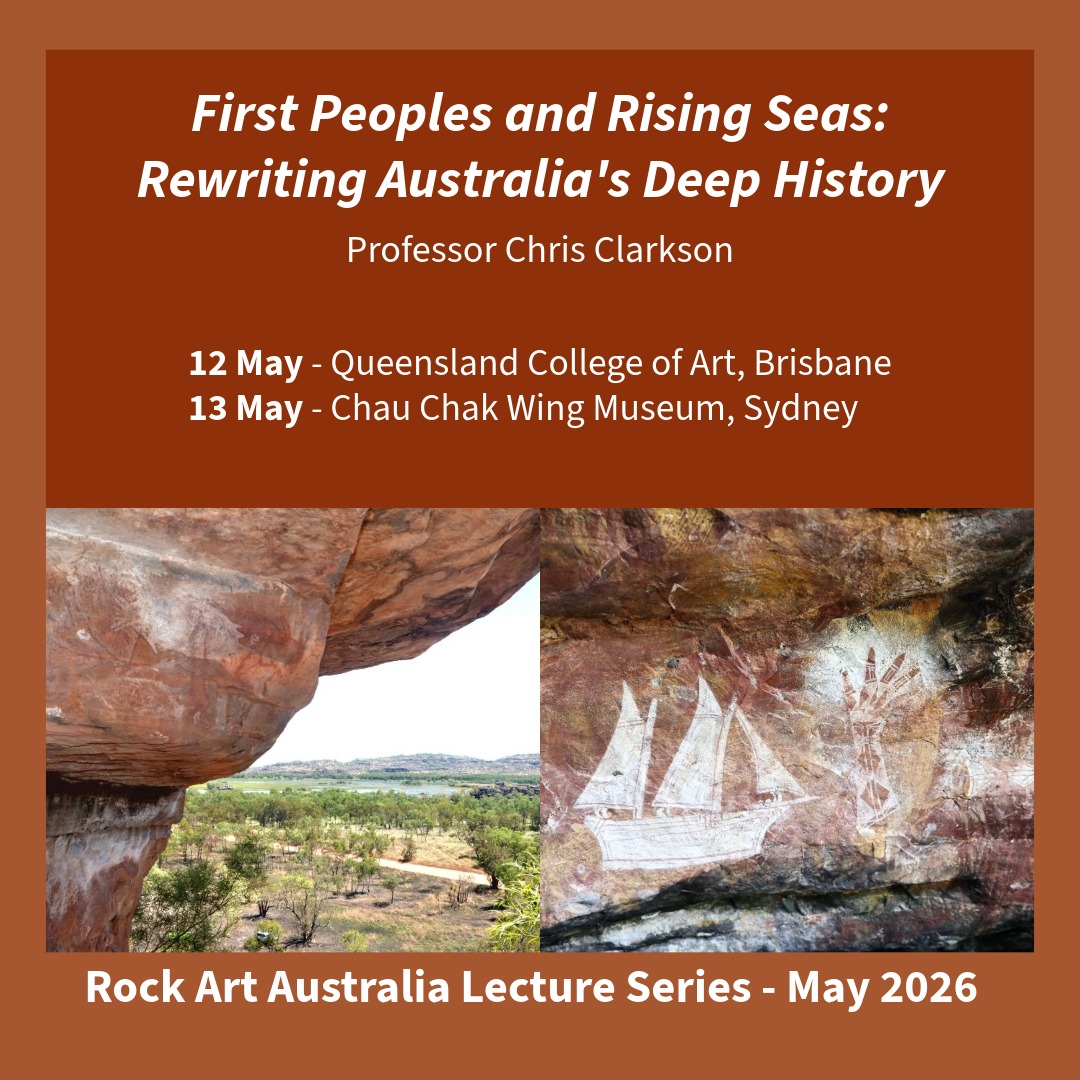
First Peoples and Rising Seas: Rewriting Australia’s Deep History
Presented by Professor Chris Clarkson
Past Event
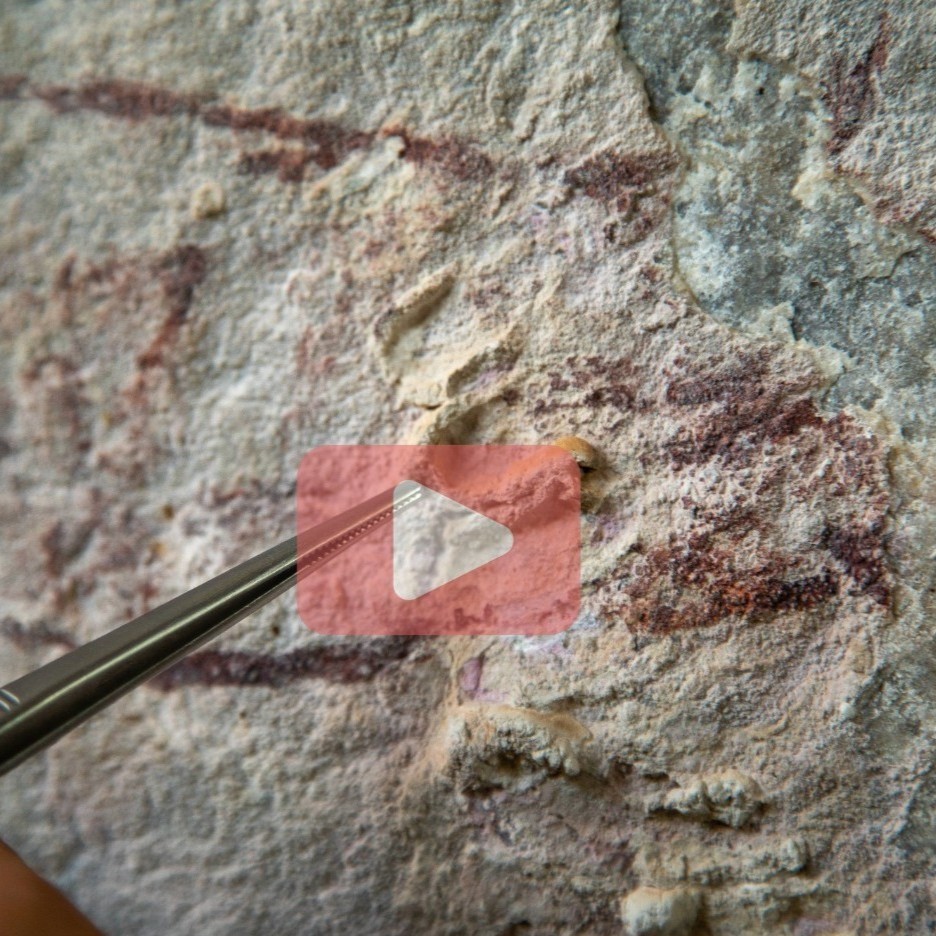
Dating Australia’s Oldest Rock Art
Presented by Dr Helen Green – Online
Rock Art Australia hosts a yearly program of free public lectures across Australia. To see what’s happening near you, scroll down to subscribe to our newsletter, and follow us on social media.
Protect Cultural Heritage & Strengthen Australia’s Research Future
As the end of financial year approaches, we invite you to invest in the people, partnerships, and research that are shaping our understanding of Australia’s deep history and cultural heritage. Your support helps fund researchers, grow future leaders, and share this knowledge more widely through education and public programs.
Join us in building a lasting legacy. Your tax-deductible donation before 30 June will help this work thrive and reach more people for generations to come.
Since the beginning, Rock Art Australia has been supported by a committed community of donors. Their support has enabled groundbreaking research, the establishment of fully endowed Research Chairs, and the sharing of knowledge through public programs, publications, and engagement with universities, schools, and communities across Australia.
Today, this collective effort continues to support leading and emerging researchers, advance the protection of globally significant heritage, and contribute to the knowledge and leadership that will carry this work forward.