Groote Archipelago Songlines Archaeology Project: 2026 Field Season
The Groote Archipelago Songlines Archaeology Project has had a very successful field season in September 2026, completing excavations at two rock shelters in Groote Eylandt’s central sandstone plateau that have connections to the Yinuma songline.
As a collaboration between Australian National University archaeologists, the Anindilyakwa Land Council, and Yantarrnga and Maminyamanja clans, the project aims to determine archaeologically how the songline has been understood and engaged with over time. The project also hopes to understand the depth of human occupation of Groote Eylandt, and why Warnumamalya (Traditional Owners) today do not visit the central sandstone part of the island.
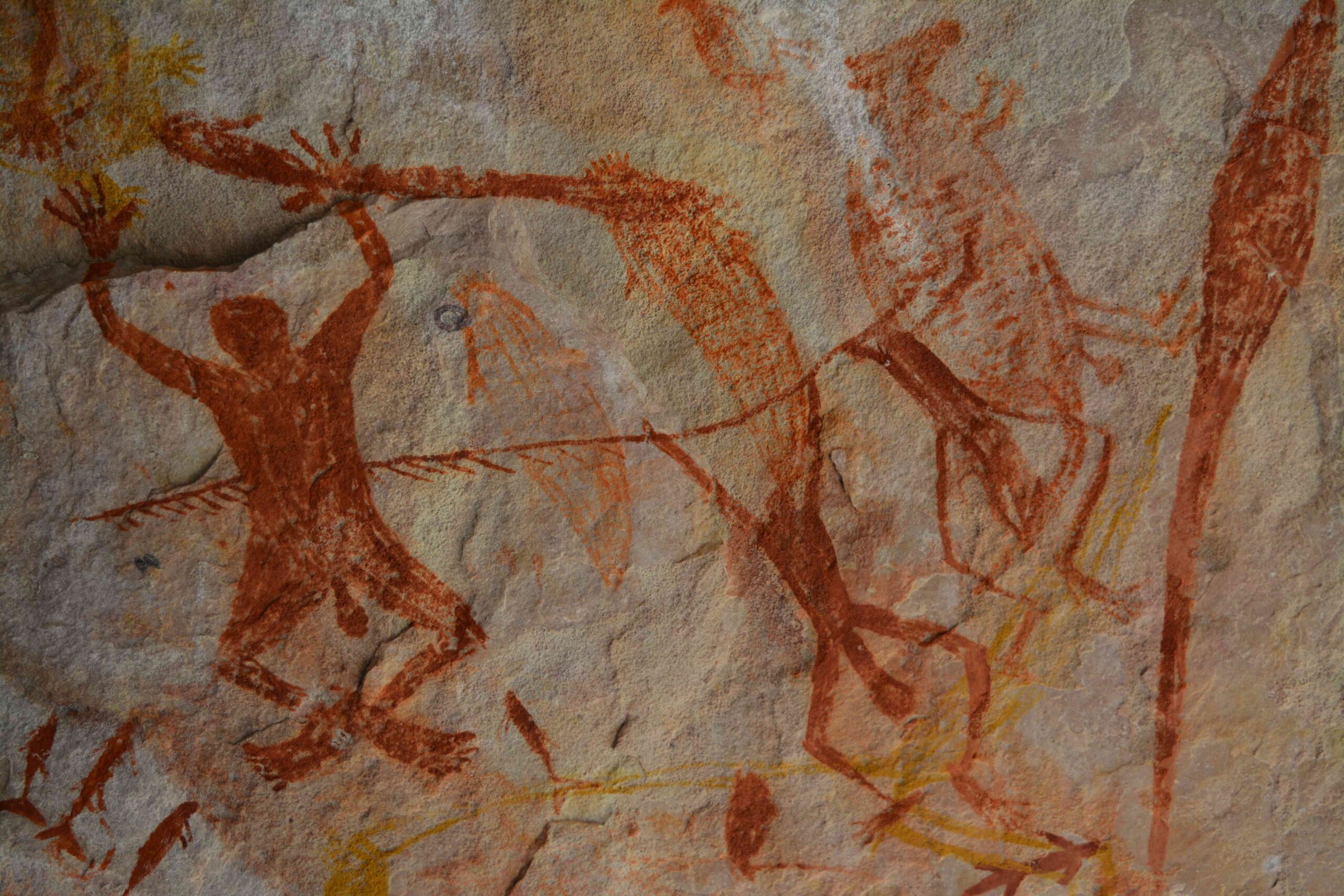
In 2025, the project undertook community mapping exercises and baseline surveys for archaeological sites in the central plateau along the known route of the songline, recording over 150 places with rock art. Test excavations at four rock shelters indicate that there was occupation of Groote by at least 6,500 years ago during stabilisation of sea levels in the early Holocene. Preliminary dates returned on surface shell suggest that the last use of these sites was around 450 years ago. Interestingly, the rock art in the central plateau shows cultural approaches (such as dolphin hunts) that are no longer practiced.
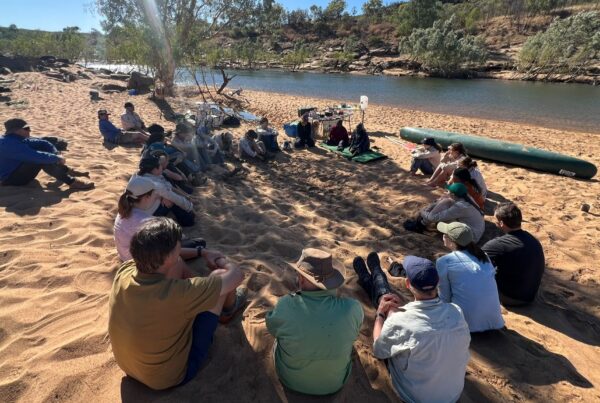
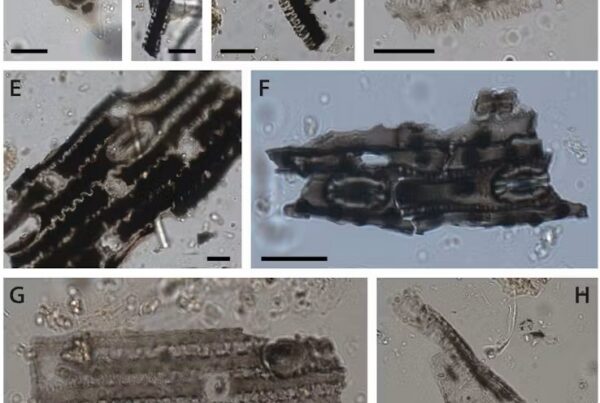
With the generous funding provided by Rock Art Australia, the project was able to support two additional archaeologists (Jalen Green and Ian Ostericher) to take part in fieldwork in 2026. As an archaeobotanical specialist, Jalen undertook flotation of the excavated deposits to recover plant material for analysis, as well as baseline ecological surveys and sampling. Ian supported with taking micromorphological block samples, photogrammetry and soil coring in a central valley swamp to provide environmental samples for comparison to the archaeological assemblage.
The project now looks forward to undertaking the analysis from these excavations alongside comparative analysis of the thousands of recorded art motifs. The project will also be processing and dating some of the sites excavated by Professor Annie Clarke’s and the Groote Eylandt community in the 1990s. The project is also working closely with the Yantarrnga clan to determine the best use for the photogrammetry modelling completed to provide insight into this quite inaccessible part of their Country.
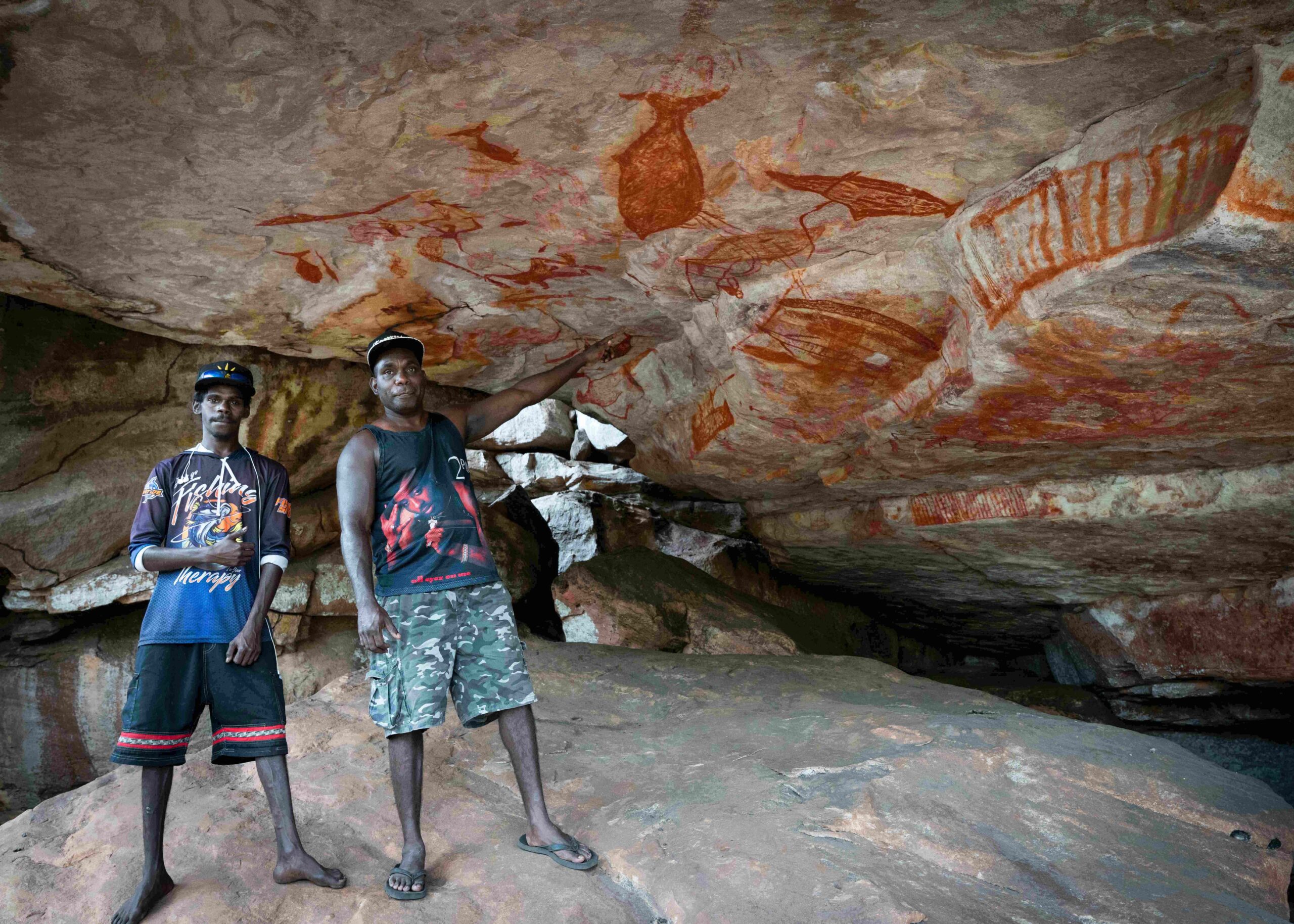
Jaiden Yantarrnga and Lee Rean Wurramarra visit the newly refound shelter near Angwurra, in Groote Eylandt’s central plateau.
Credit: Ian Ostericher
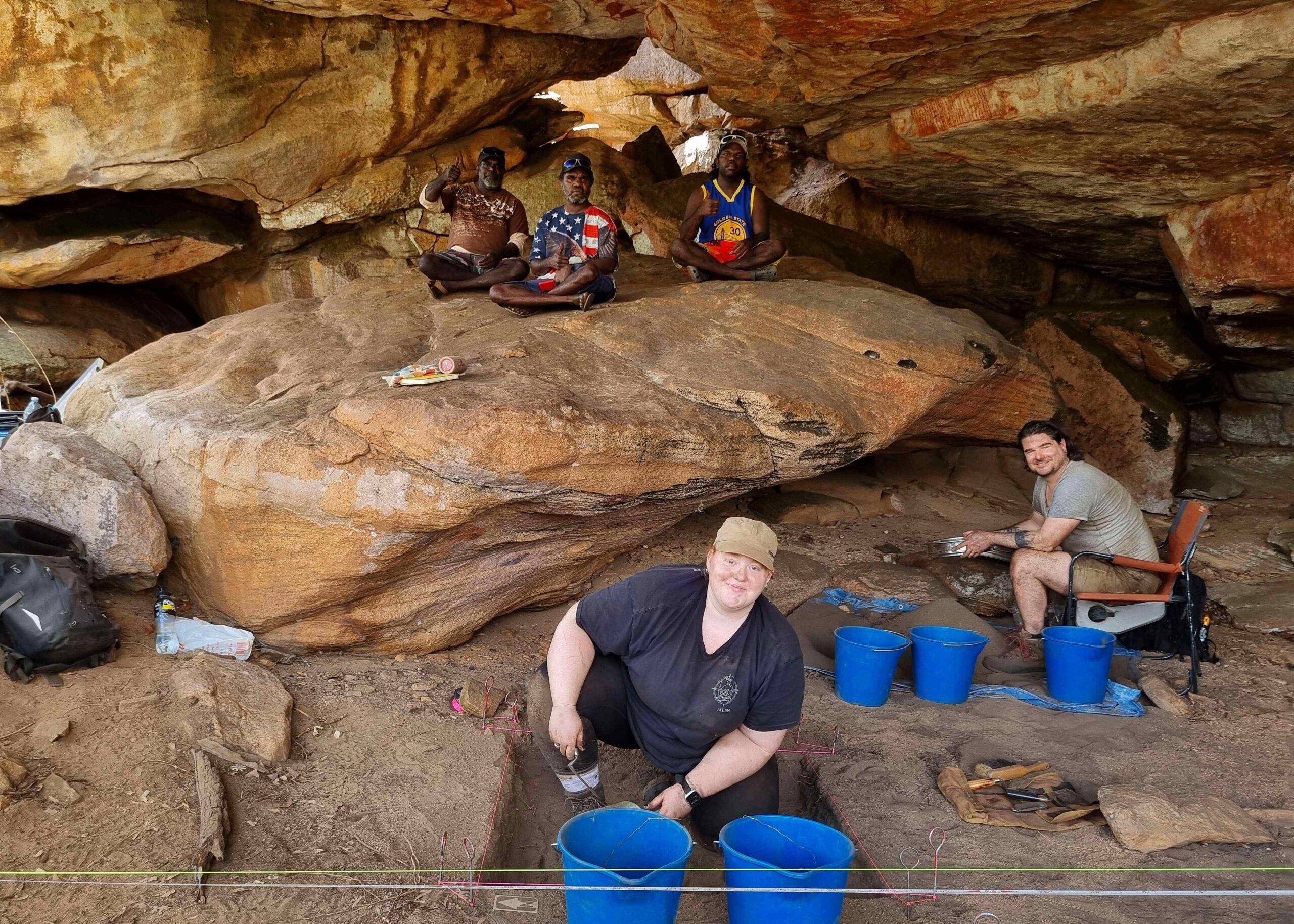
Jalen Green (ANU) commences excavation at newly found rock shelter near Angwurra in Groote Eylandt’s central plateau. Warnumamalya Traditional Owners Brendan Yantarrnga, Ananais Wanambi and Rixon Yantarrnga are sharing stories, with Ian Osteicher sieving.
Credit: Stevie Skitmore
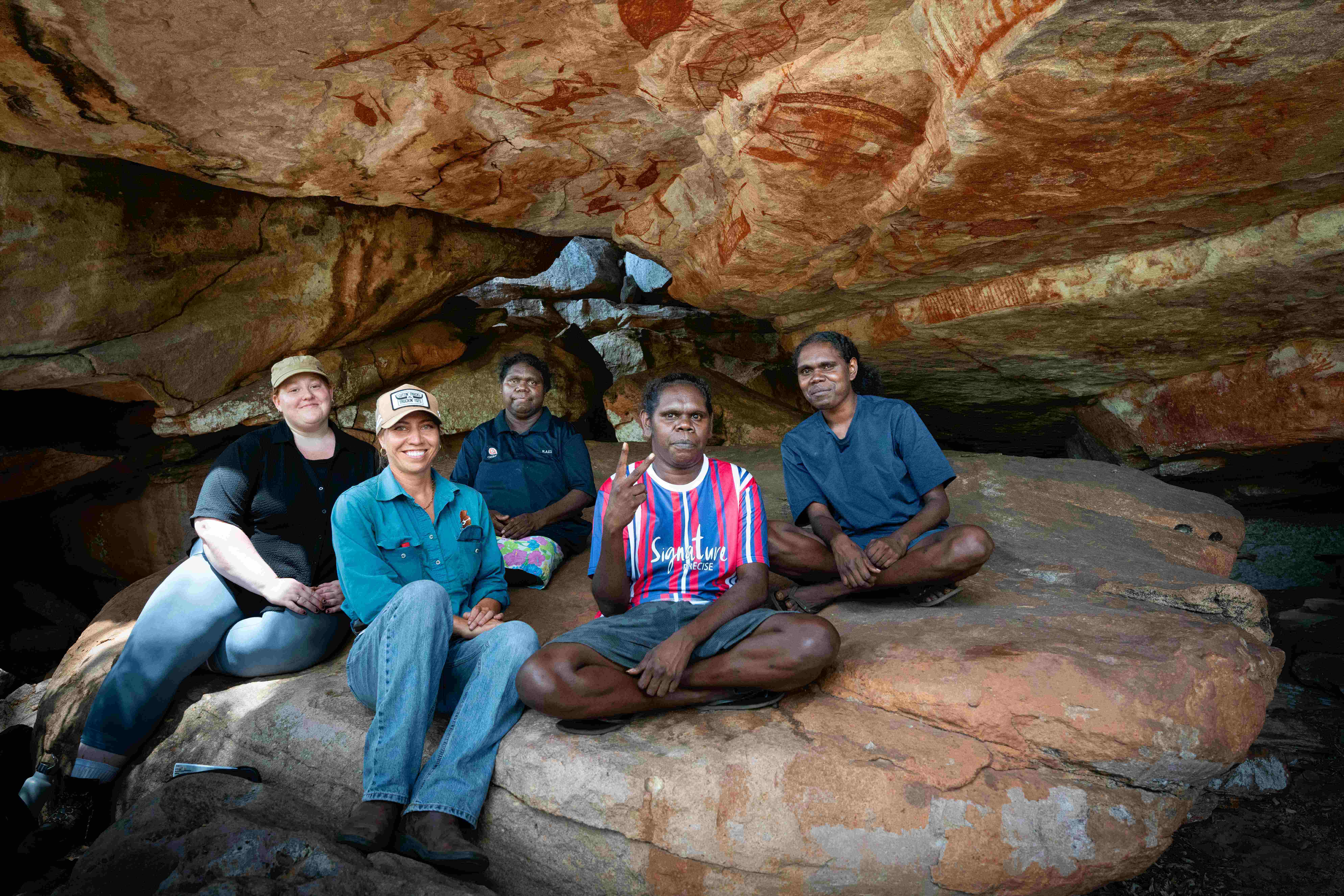
The team working on plants and women’s knowledge celebrating revisiting Angwurra in Groote Eylandt’s central plateau. Warnumamalya Traditional Owners Shirley Yantarrnga, Simone Yantarrnga and Liana Wurramarra, with Jalen Green (ANU) and Asia Sutton (HeliOps). Shirley and Simone worked with Annie Clarke in the 1990s during previous archaeological work in Yantarrnga Country.
Credit: Ian Ostericher
Since the beginning, Rock Art Australia has been supported by a committed community of donors. Their support has enabled groundbreaking research, the establishment of fully endowed Research Chairs, and the sharing of knowledge through public programs, publications, and engagement with universities, schools, and communities across Australia.
Today, this collective effort continues to support leading and emerging researchers, advance the protection of globally significant heritage, and contribute to the knowledge and leadership that will carry this work forward. We invite you to join our community of supporters who help sustain our work.