Human Responses to Post-Glacial Sea-Level Rise in Island Southeast Asia

This exciting international research initiative, funded by a Strategic Grant from Rock Art Australia, brings together leading researchers from Rock Art Australia and Indonesian National Research and Innovation Agency (BRIN) to investigate one of the most transformative periods in human history.

The project examines the environmental changes that occurred between 14,000 and 9,000 years ago, at the end of the last Ice Age, when rapid climate warming contributed to significant sea-level rise. During this period, large areas of coastal land across Island Southeast Asia were inundated, reshaping landscapes and patterns of human occupation.

The research seeks to advance understanding of how human populations responded culturally and technologically to rapid environmental change. It will test the hypothesis that post-glacial sea-level rise had substantial effects on communities living in regions where extensive land loss occurred due to marine inundation.

Through coordinated archaeological fieldwork, rock art analysis, and palaeoenvironmental investigation, the project will assess changes in occupational intensity, developments in seafaring, the emergence of new regional rock art styles, and technological adaptation. The findings will contribute to broader discussions about human responses to long-term climate and sea-level change.

Image to left: Indonesian colleagues left to right: Dr Thomas Sutikna, Prof. Chris Clarkson, Dr Kasih Norman, Dr Sofwan Noerwidi. Jakarta in 2024 
First Field Season: Archaeological Survey in the Karst Landscapes of Java

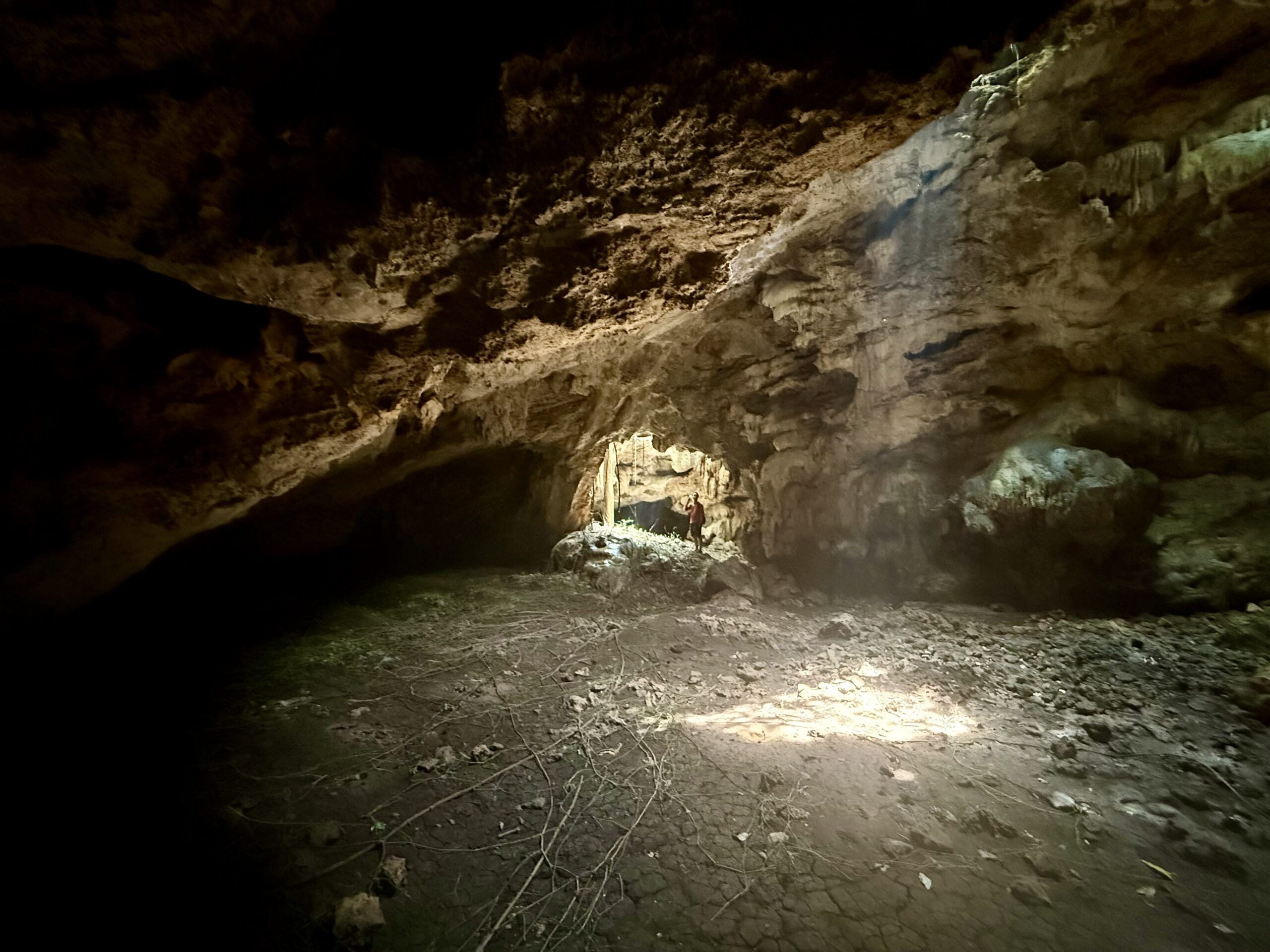
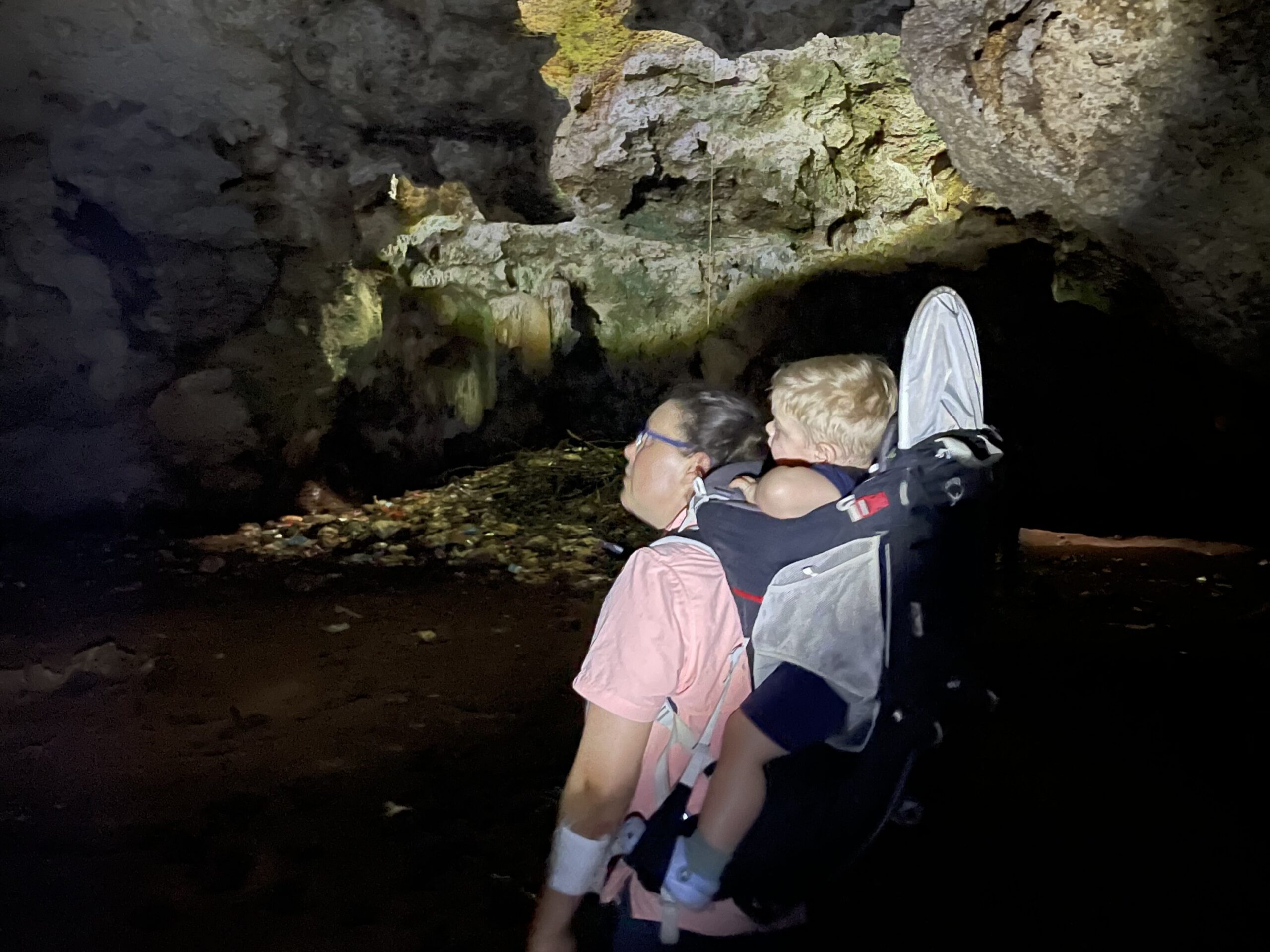
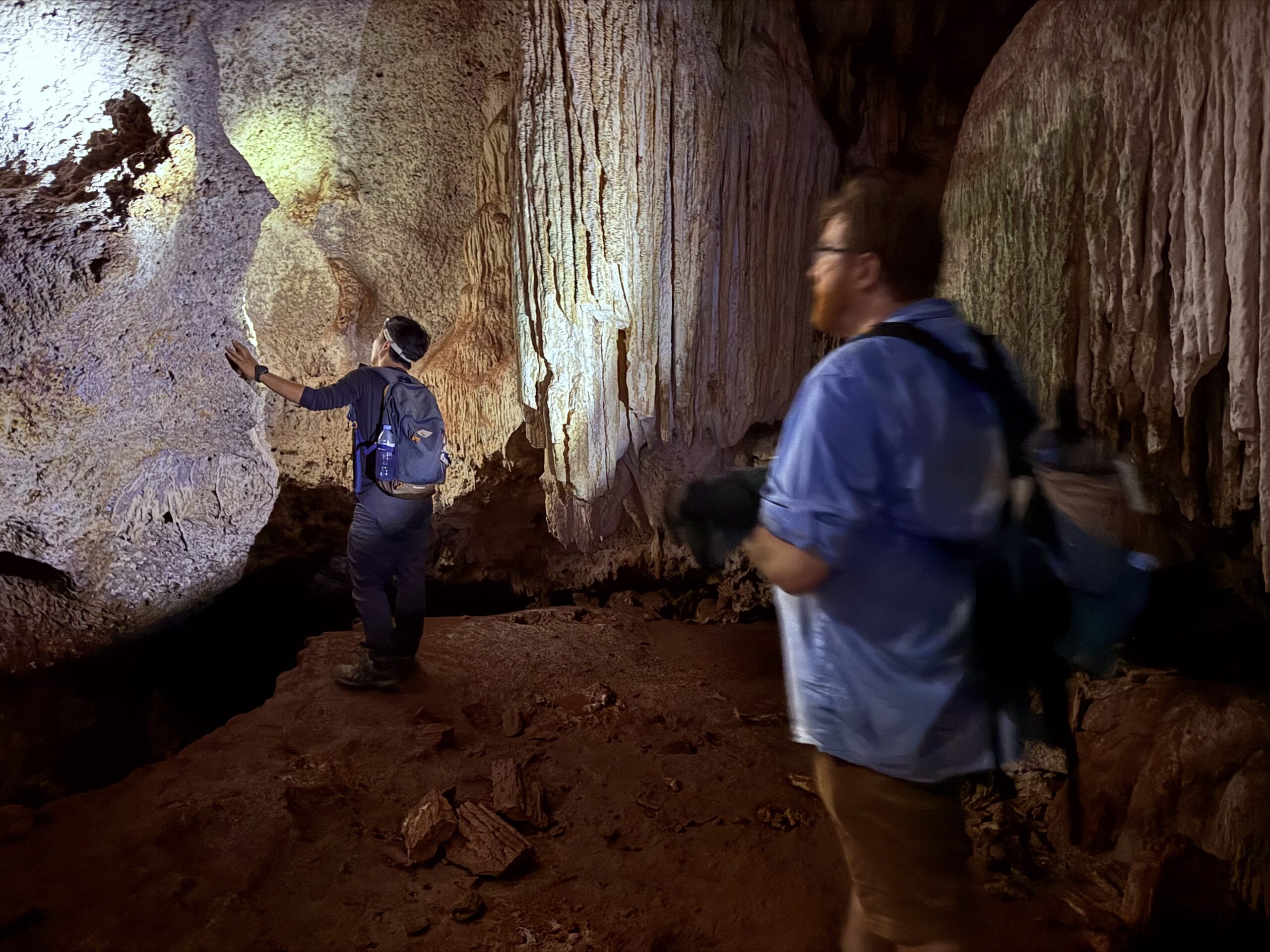
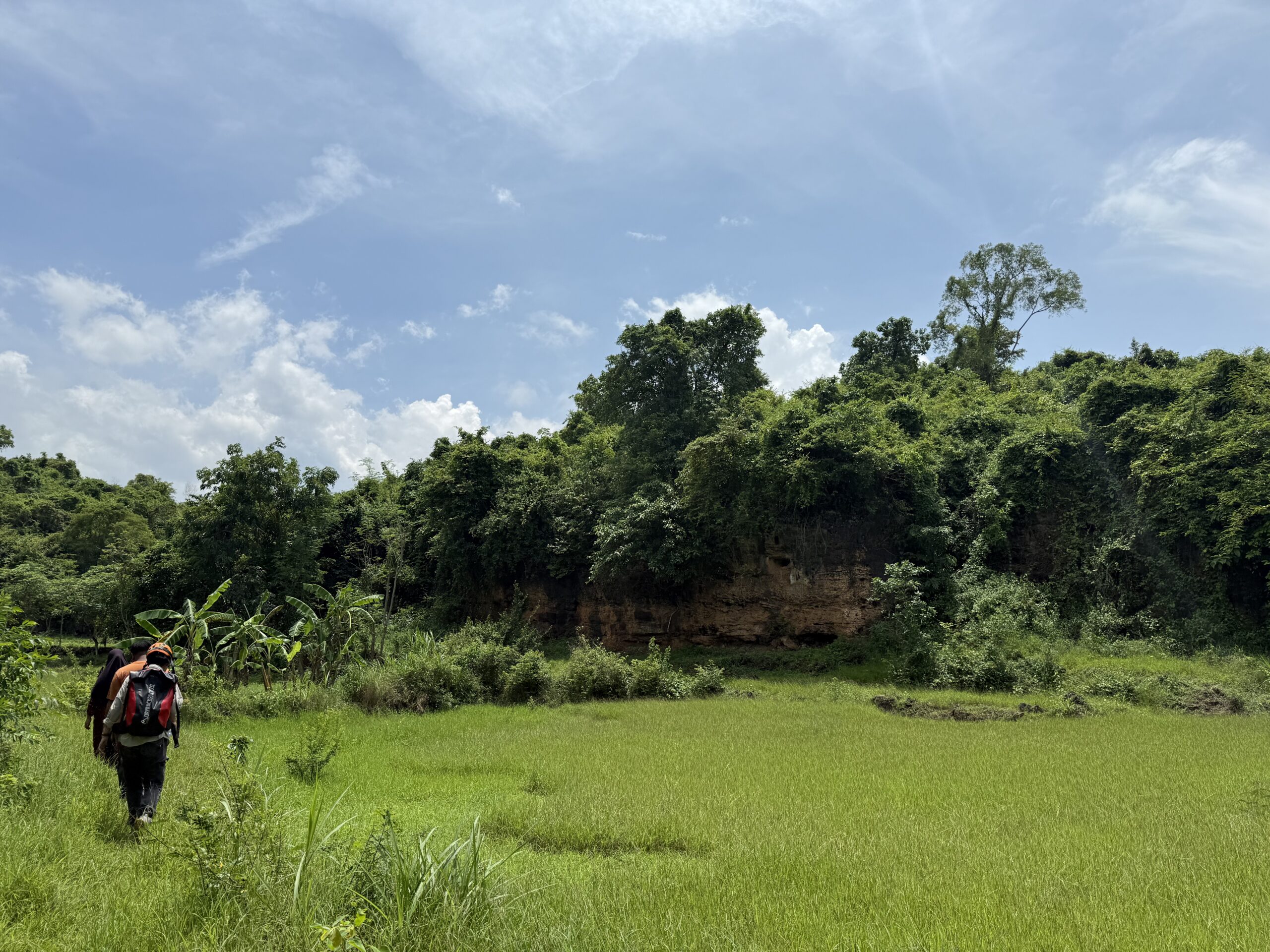
As part of the first field trip a joint team conducted archaeological surveys in the limestone karst regions of Java. The work focused on identifying and documenting cave sites with evidence of past human occupation, including rock art and archaeological deposits. Field operations involved systematic pedestrian survey in challenging tropical terrain, including steep limestone formations and densely vegetated areas.

Indonesia is central to current debates in global rock art research. Sites in Sulawesi and Borneo have produced uranium-series dates of more than 40,000 years for hand stencils and figurative imagery. A painted narrative scene in Sulawesi has been dated to at least 51,200 years ago, and a recently reported hand stencil with a minimum age of 67,800 years is currently the oldest dated example of rock art known. These findings position Island Southeast Asia as a significant region for understanding early symbolic behaviour.

The limestone karst landscapes that preserve this record are, however, increasingly affected by quarrying, land use change, and development. The initial field investigations in Java contribute baseline data for assessing site distribution, preservation, and research potential, and will inform subsequent phases of analysis and conservation planning.

Image: Recording the finger grooves in the field. (top): Madeleine Kelly checking on-site each finger groove on the photogrammetric model on a tablet. (bottom): GunaiKurnai Elder Uncle Russell Mullett discussing methods and emerging results of the photogrammetric processing with Olivia Rivero Vilá and Diego Garate Maidagan in the field work tent (photos by Bruno David, courtesy of the GunaiKurnai Land and Waters Aboriginal Corporation).

YOU, TOO CAN MAKE A DIFFERENCE!

DONATE NOW